Most people need three sessions. Some need two. A few need four. The number is not a sales tactic and it is not the same for everyone — it is determined by how much scalp you are covering, how your skin holds pigment, and how your body heals. This is the full breakdown, week by week.
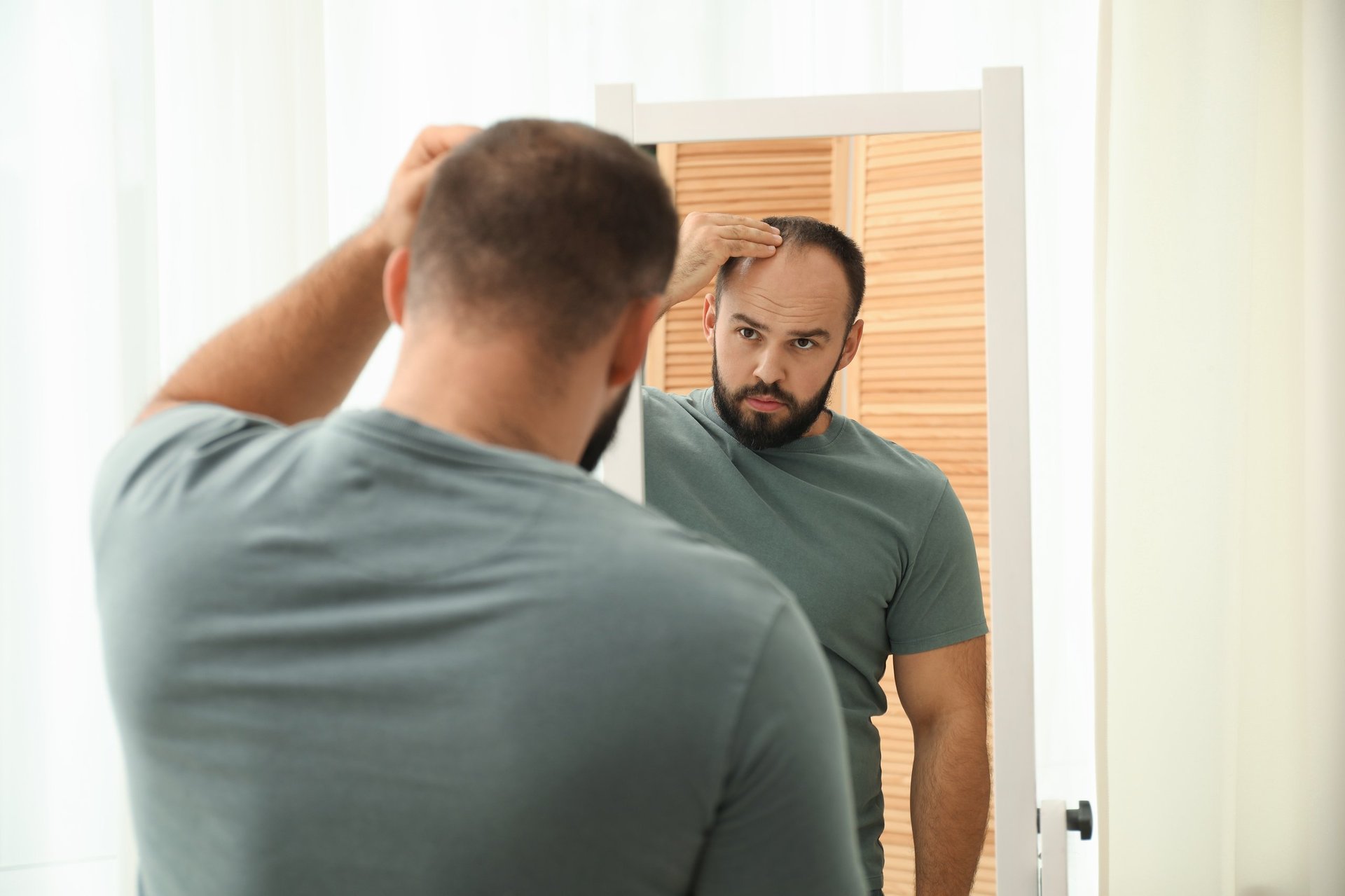
Most people need two to three sessions, spaced one to two weeks apart. That is the standard, and it holds true for roughly eight out of ten clients we treat. A full head of scalp micropigmentation typically runs three sessions. A smaller area — a hairline, a scar, a crown patch — often finishes in two.
The reason it is never one session is not a business decision. It is biology. Fresh pigment does not settle into the skin at a consistent density the first time. Some dots hold, some fade more than expected, some areas take more ink than others because the skin there is thicker, oilier, or has more blood flow. Nobody — not us, not any artist — can predict exactly how your skin will take pigment on day one.
So the first session builds the foundation and the hairline design. The second session fills in the areas that healed lighter than planned and layers in density. The third session is refinement: blending, texture, and the details that make it read as real hair from a normal distance.
If an artist tells you it can be done in one session, ask what happens when part of it fades unevenly. There is no good answer.
“One-session SMP is not faster. It is just unfinished.”
Here is how the session count usually breaks down by treatment area.
| Treatment | Typical sessions | Time per session |
|---|---|---|
| Full scalp coverage | 3–4 | 2–4 hours |
| Hairline restoration | 2–3 | 2–3 hours |
| Crown / vertex density | 2–3 | 1.5–3 hours |
| Women's density SMP | 2–3 | 2–3 hours |
| Scar camouflage | 2–3 | 1–2 hours |
| Hyperrealism brows | 2 | 2–3 hours |
Ranges, not promises. Every plan is set at your consultation after we see your scalp, your skin, and your pattern of loss.
This is what each appointment actually does. Not marketing language — the mechanical purpose of each visit.
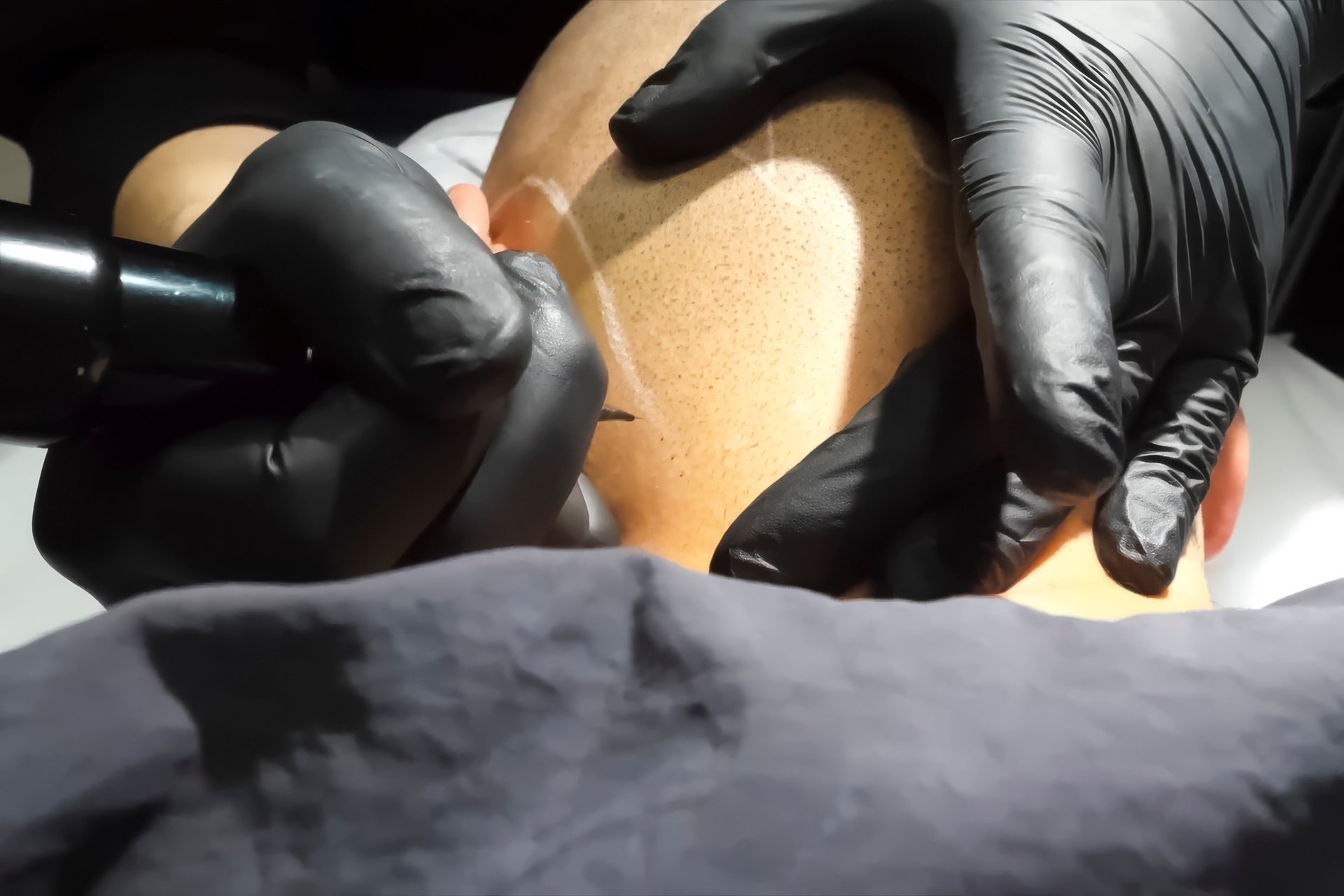
The hairline is designed and drawn first, then agreed with you before any pigment goes in. After that we build the base layer of follicles across the whole treatment area — the framework everything else sits on. This is the longest sitting and, for most people, the only uncomfortable one.
What you leave with: a defined shape that looks too dark and too crisp. This is normal. It will settle.
Two weeks on, we see what your skin actually kept. There are always patches that healed lighter — usually along the temples, the crown, or anywhere the skin is thinner. We build those areas back up, add a second layer of density across the whole head, and soften any edge of the hairline that healed too hard.
This is the session that makes it look real. If you only did one follow-up, this is the one to do.
Now that the foundation is solid, this session is about detail: varying follicle size so it does not look like a uniform dot grid, adding scattered single follicles at the hairline for a soft, broken edge, and matching your natural hair colour more precisely in different zones of the scalp.
Some people skip this. If session two healed perfectly and you are happy, you can stop. We will tell you honestly if we think you should.
A fourth session is rare, and it is almost always about area rather than technique — advanced loss across the entire scalp, a very large scar, or a client who wants maximum density. Some artists include it in the quoted price. Others bill it separately. Ask which, before you book.
If someone quotes you four sessions on a small hairline job, ask what specifically needs four.
Six variables decide whether you land at two sessions or four. None of them are about how much you are paying.
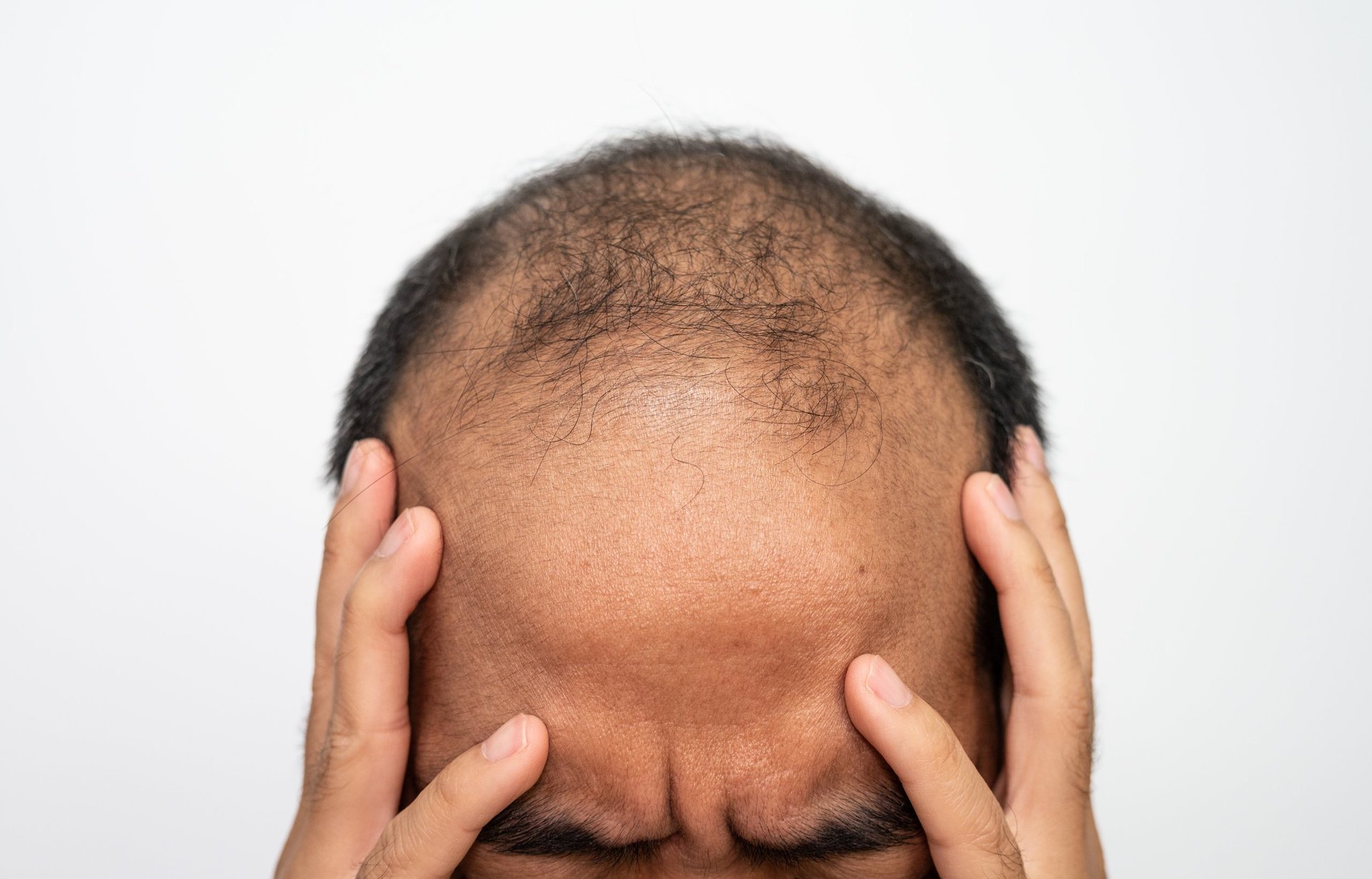
A receding hairline is a fraction of the surface area of full scalp coverage. More area means more time in the chair and usually one more session.
Oily skin pushes pigment out faster and usually needs an extra pass. Dry or mature skin can hold too much and needs lighter layering.
Retention varies person to person and nobody can predict it. Fast healers who shed pigment early tend to need the third session.
This is the one you control. Sun, sweat, swimming and harsh products in the first ten days all reduce how much pigment survives.
Scar camouflage over transplant scars or surgical scars behaves differently to normal scalp. Scar tissue takes pigment unevenly, so expect an extra pass.
Very light or grey hair requires softer, warmer pigment built in thin layers — sometimes an extra appointment to avoid it reading as a flat grey wash.
It is the artist's technique. Depth control is everything in SMP — too shallow and it fades in months, too deep and the dots blur into a smudge. A skilled artist at the right depth usually needs fewer sessions than a cheaper one working blind. This is why comparing session counts between studios without comparing skill is meaningless. Read more in how to choose the right SMP artist.
This is the part nobody prepares people for. Between session one and session two your SMP will look worse before it looks better. Knowing that in advance is the difference between panic and patience.
Pigment sits on top of the skin and reads 30–50% darker than the final result. Redness and mild tenderness around the treatment area. This is the phase that scares people who were not warned.
Light flaking across the scalp. Do not pick it. Picking takes pigment with it and creates patchy retention — which is the most common reason a client needs an unplanned extra session.
Pigment settles beneath new skin and appears to have vanished. It has not. This is exactly why session two is booked two weeks out — we are waiting for the true colour to surface before deciding what to add.
Colour comes back through and settles. You can see what your skin actually retained and where the gaps are. This is what session two works from.
Fully healed, fully settled, matching your natural tone. This is the version that lasts. Judge the work at this point — not at day three, and not at month six.
One honest warning: if you have an event — a wedding, a photoshoot, a big work thing — do not schedule SMP within three weeks of it. Days one to ten are not a good look and there is no way around that. Read the full preparation and aftercare guide before you book.
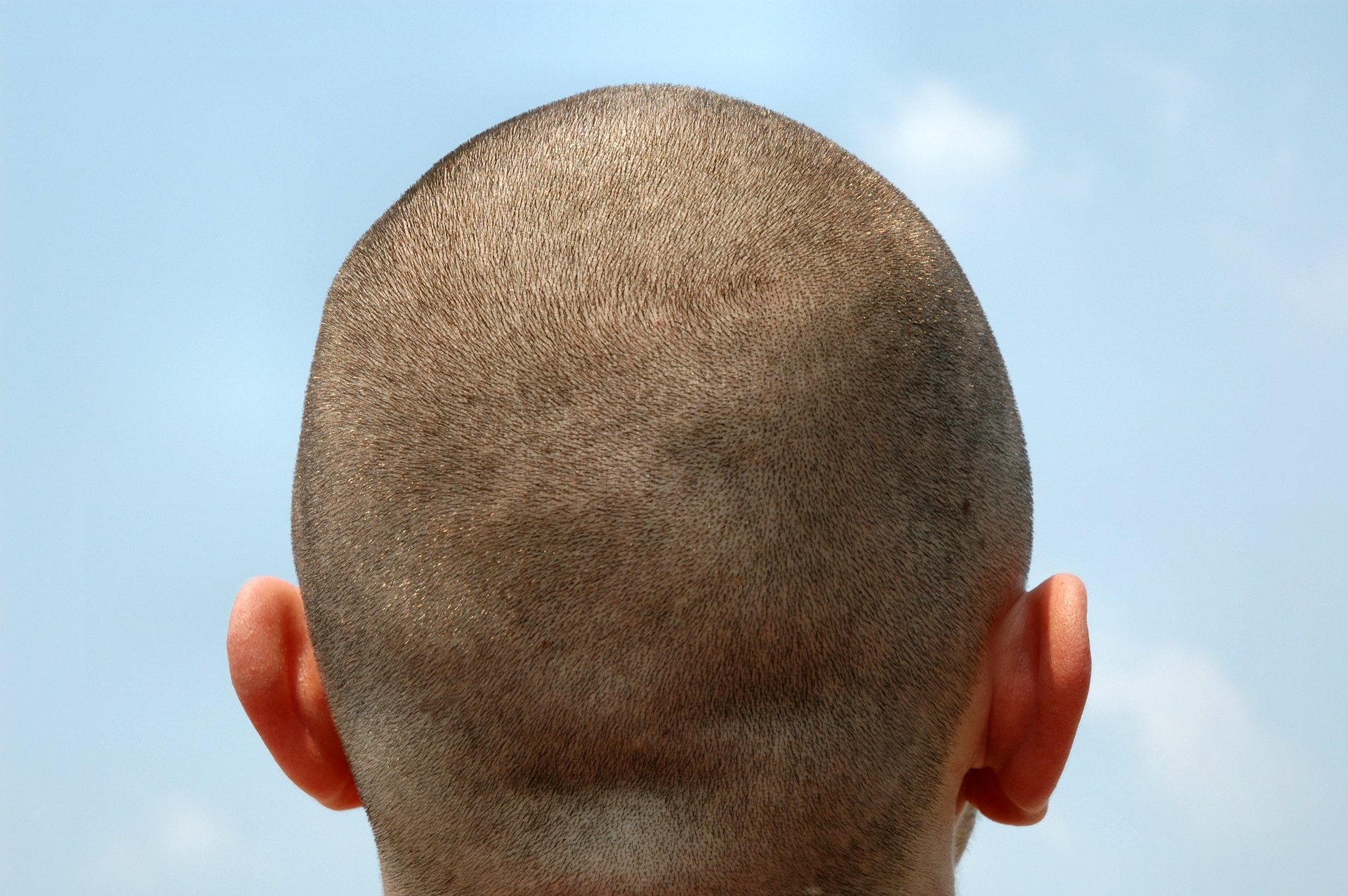
Plan on six to eight weeks from your first session to your final healed result. Not because the work takes that long — it does not — but because your skin needs the gaps.
A typical three-session schedule looks like this: session one in week one, session two in week three, session three in week five or six, and the final result settled by week eight to ten. That timeline is deliberate. Doing sessions back to back, one week apart, is a mistake — you would be layering pigment onto skin that has not finished healing, and the retention becomes unpredictable.
Two-session treatments compress this to about four to five weeks. If you have a hard deadline, tell us at the consultation and we will tell you honestly whether it is achievable. Sometimes it is. Sometimes the honest answer is to wait.
3–4h
Per full-scalp session
2 weeks
Between sessions
6–8 wks
Total schedule
10–14d
Social downtime
"Social downtime" means visible redness and flaking — not time off work. Most people work the next day.
Here is the part that matters more than the headline price. Ask whether your quote covers all sessions or just the first one. Pricing structures vary widely between studios and this single question changes the real cost by thousands.
There are two common models. All-inclusive pricing quotes one figure that covers the full course — typically two to three sessions. Per-session pricing quotes each appointment separately, which can look cheaper up front and end up costing more once you add the follow-ups you will almost certainly need.
Neither model is dishonest. But a per-session price advertised as "$800" when the realistic total is $2,400 is not a price — it is a teaser. Ask for the all-in number before you compare studios.
For the full cost picture — regional averages, what drives the number up or down, and how Birmingham compares — see our Birmingham pricing guide and the broader national SMP cost breakdown. If the total is the obstacle, financing is available and spreads the cost across the treatment window rather than requiring it all at once.
Your initial course of sessions is not the end of the schedule — it is the build. After that, SMP becomes maintenance, and the maintenance rhythm is much slower than most people expect.
Expect a refresh every three to five years, not every year. That single fact is what makes SMP cost effective against nearly every alternative — hair systems need replacing every six to twelve months, transplants can require medication indefinitely, and fibres are a daily purchase.
What dictates your interval: sun exposure is the biggest one. Regular unprotected sun fades pigment faster than anything else. Then skin type, how well you held colour during the initial course, and whether your natural hair continues to thin around the work.
If you are losing more hair after SMP, the refresh is usually about extending coverage rather than restoring colour. That is a different — and often smaller — job than starting over.
SPF on the scalp is the single highest-return habit you can build.
Frequent swimmers fade noticeably faster. Rinse immediately after.
Harsh acids and retinoids on the scalp accelerate pigment breakdown.
Full detail on timing and fading is in when do you need an SMP touch-up and how long SMP lasts.
The ones that come up in every consultation, answered plainly.
Not properly. Pigment retention varies across the scalp even within a single session, so a one-pass treatment will almost always heal unevenly — patchy at the temples or crown, heavier where the skin is thicker. Reputable artists in this industry work in multiple sessions as standard practice. If someone offers a single-session full-head treatment, ask what they do when it fades unevenly.
Typically two weeks. That gap exists because the skin needs to finish its initial healing and the pigment needs to settle before an artist can judge what actually held. Booking closer together means working on tissue that has not revealed its true result yet. Some artists work at three weeks; anything shorter than ten days is too soon to assess retention properly.
That is completely normal and often the right call — especially for hairline work, crown density, or smaller treatment areas. Two sessions gets most people a result they are happy with. The third is refinement, and refinement is optional. We will tell you honestly after session two whether we think it is worth adding.
No — and this is the most common misconception about SMP. Additional sessions add density and consistency, not darkness. The final shade is matched to your natural hair colour at the consultation. A fourth session on a full head does not produce a darker head than three; it produces a more even one. If your result is coming out too dark, the problem is pigment choice or depth, not session count.
Yes. Most people return to work the following day. What you cannot do is gym, swim, sauna, or heavy sweating for the first week, and you should avoid direct sun on the scalp. The visible redness fades within two to four days. Plan around big events rather than around work.
It is expected, not a problem. Between day ten and day twenty-one the pigment appears to disappear entirely — this is the "ghosting" phase, caused by new skin forming over the pigment. It has not faded, it is just hidden. By week four the colour returns. This is precisely why the second session is booked at two weeks, when the true retention is visible.
Usually two to three. Women's density SMP works differently to men's full coverage — the goal is diffusing the appearance of scalp visibility through thinning hair rather than creating a shaved-head look. It covers less surface area, so it often finishes faster. See our women's SMP services for detail.
Depends on the studio, and it is worth asking directly before you book. Some quote an all-inclusive package payable across the course; others bill per session. Neither is wrong, but the all-in figure is the one to compare between providers — a low per-session price can double by the time you have had the follow-ups you will need.
Three to five years is typical before colour work is needed. You do not need to wait for a specific date — book when you notice fading or when your natural hair has thinned further and coverage needs extending. A touch-up is usually a single session, not a full course, because the foundation is already in place.
A consultation is the only way to give you a real number. We look at your scalp, your skin, your pattern of loss, and tell you exactly how many sessions you need and what the all-in cost is. No obligation, no pressure to book.
Step by step through a session — what happens, what it feels like, how long each part takes.
An honest account of pain levels by treatment area and what actually helps.
Realistic expectations — what SMP does well and where its limits genuinely are.
Real local pricing, what moves the number, and how to compare quotes properly.
The credentials that matter, the portfolio tells, and the red flags to walk away from.
Cost, recovery, maintenance and who each option actually suits.
This article is informational and does not replace a clinical consultation. Session counts and outcomes vary by individual.